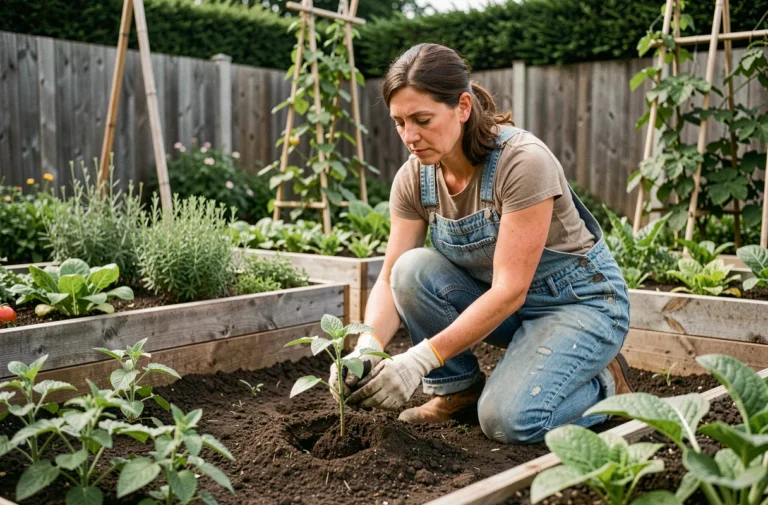
Plants that thrive side by side, others that compete until they exhaust themselves, even under generous sunlight and on fertile soil. Sometimes, weeks of effort vanish due to poor timing or a poorly thought-out association, despite impeccable tools and favorable weather.
Tending to your garden is much more than a maintenance routine. Methods change, the seasons impose their tempo, and sometimes you have to question habits that seemed unshakeable.
Why a living garden changes everything with the seasons
Forget the vision of a simple patch of lawn: a garden is a living organism where each plant, each bed, or water feature has a role to play. Choosing plants suited to the climate, structuring the space into zones, maintaining a vigorous lawn: this is what shapes a sustainable space. Biodiversity is not just a trendy word; it makes the garden more resilient, attracts natural allies, and reduces dependence on chemicals.
The seasons orchestrate the life of the garden. In winter, the bare silhouette of trees creates a graphic decor. In spring, young leaves awaken the beds. Summer bursts forth with colors and scents, then autumn offers a final fireworks display while nourishing the soil for the following year. Thinking about a sustainable garden layout means integrating these cycles, opting for plants suited to the local climate, and working with the nature of the soil and exposure.
A well-designed garden can increase a home’s value by 15% according to recent studies. This is not a detail, especially when the majority of buyers prioritize the outdoors in their criteria. Creating pathways, varying atmospheres, multiplying garden styles: all of this enhances the appeal of a place and the pleasure of living there. The eco-responsible trend, such as collecting water, composting, and managing resources without waste, is increasingly appealing to informed enthusiasts.
For those who want to delve deeper, learn more about Passion Jardin offers seasonal advice, ideas to enhance the beds, and tips for choosing health garden plants. Thinking of your garden as a living ecosystem transforms your daily life and living environment.
What tips for creating welcoming and easy-to-live-in spaces?
A well-thought-out garden is a natural extension of the home. For it to become a living space, the main uses must be articulated:
- relaxation
- meals
- games
- circulation
Creating dedicated zones makes the space more fluid: a terrace near the house for lunches, a clear path to the vegetable garden or pool, a reading nook under a pergola or a gazebo sheltered from the wind.
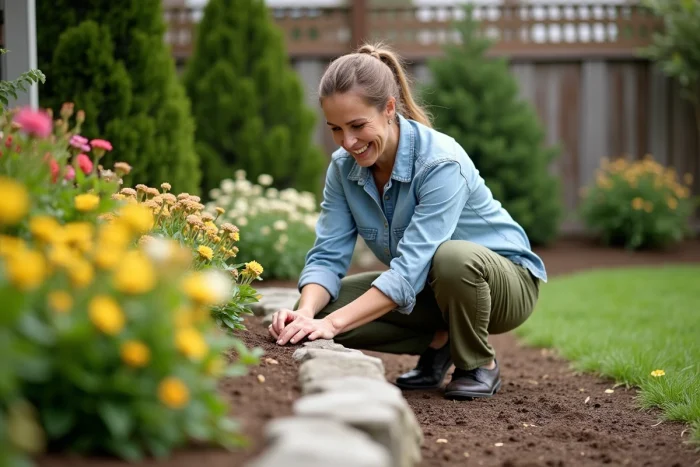
Garden furniture outlines the structure of the space. Opt for sturdy materials that match the style of the house. Well-thought-out outdoor lighting extends the evenings and highlights the plantings or mineral elements. Borders made of stone, wood, or metal discreetly define the beds and facilitate maintenance.
To create an impression of depth or volume, several tips work:
- spaced paving paths
- tiered plantings
- low hedges to open up the perspective
Installing a fountain, a pond, or a simple water basin adds a welcome touch of freshness. Children’s play equipment should be placed away from resting areas, so everyone finds their own space.
The style of the garden, whether contemporary, natural, or Mediterranean, influences everything: choice of plants, materials, overall organization.
- contemporary
- natural
- Mediterranean
Don’t overlook any detail. A shed for tools, a barbecue, or an outdoor kitchen must all fit within the budget and the available space. With a minimum of thought, circulation becomes fluid, conviviality settles in, and the desire to live outdoors becomes evident, no matter the time of year.
Small gestures and good routines for a thriving garden all year round
It is the repeated gestures that make the difference. On each plot, a few regular actions are enough to maintain the vitality of the place:
- weeding as soon as a weed appears
- trimming shrubs just after they bloom
- airing the lawn to keep it dense
- collecting fallen leaves throughout autumn
These regular care practices preserve the health of the plants, maintain soil structure, and limit the spread of diseases.
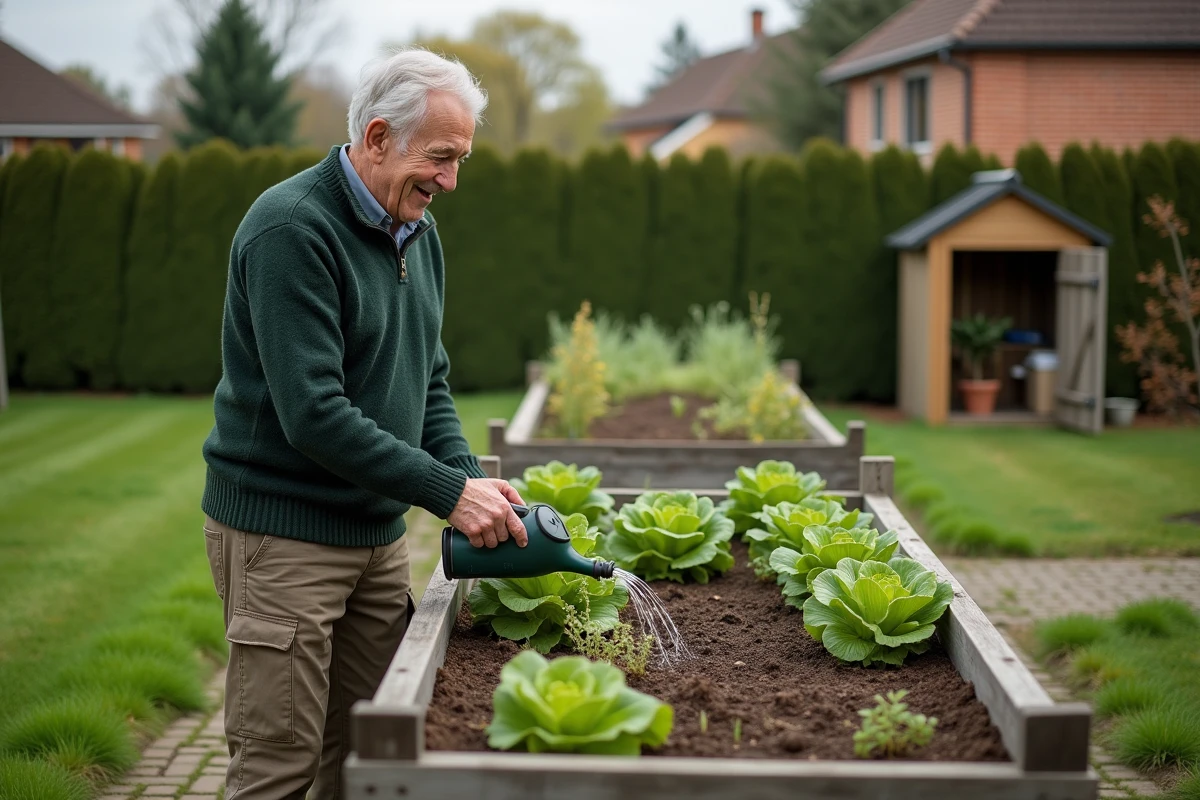
Watering also requires suitable choices: drip irrigation for the beds, automatic watering for the lawn, traditional watering can for the vegetable garden. Each solution adjusts to:
- the specific needs of each space
- the growth rhythm of the plants
An organic mulch, well distributed at the base of the plantings, retains moisture, nourishes the soil, and slows the growth of unwanted weeds.
Installing a composter transforms kitchen and garden waste into a valuable resource. This compost enriches the soil, boosts biodiversity, and reduces the use of industrial fertilizers. Easy to implement, this gesture places the garden within an environmentally friendly practice.
Finally, cultivating a routine of observation proves beneficial:
- monitoring for pests
- spotting signs of stress or deficiency
- adjusting inputs according to the weather
This attentive follow-up, without being burdensome, ensures the longevity of the garden ecosystem and provides a soothing refuge, season after season.