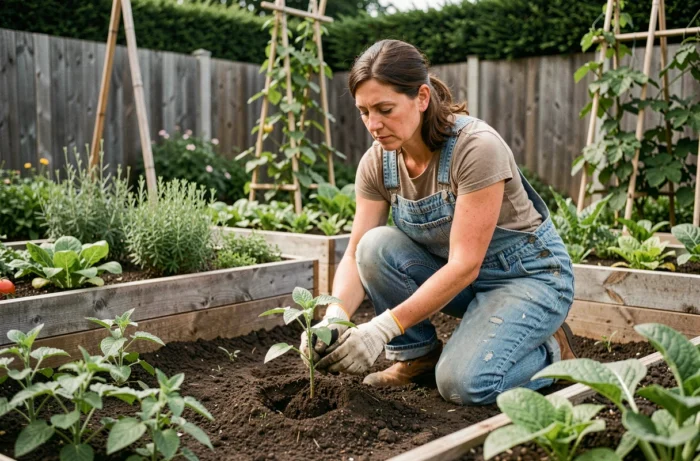
A bare plot, a grassy area that turns yellow by July, a few shrubs planted haphazardly: most gardens start without a real plan. The problem does not stem from a lack of motivation, but from a series of choices made without considering the soil, exposure, and local regulations. Creating and maintaining your garden requires some solid foundations, laid out in the right order.
Soil and exposure: two parameters that decide before you
Before choosing any plant, take a handful of soil. Clay soil sticks between your fingers and retains water. Sandy soil slips through your hands and dries quickly. This difference changes everything: drainage, watering frequency, and the types of plants that can thrive there.
The exposure of the plot plays a comparable role. A south-facing facade receives direct sunlight for most of the day, which is suitable for herbs and fruit trees. A north-facing area remains shaded and cool, perfect for ferns or hostas. Mapping out the shaded and sunny areas over an entire day prevents planting in the wrong spot.
Have you noticed that a hedge grows well on one side of the fence and struggles on the other? The soil can change in nature over just a few meters. Observing the plot at different times of day and after rain provides more useful information than a gardening catalog.
Many online resources help identify these parameters. Practical sheets categorized by theme are available on the website www spotjardin com, allowing you to cross-reference your observations with advice tailored to each type of cultivation.
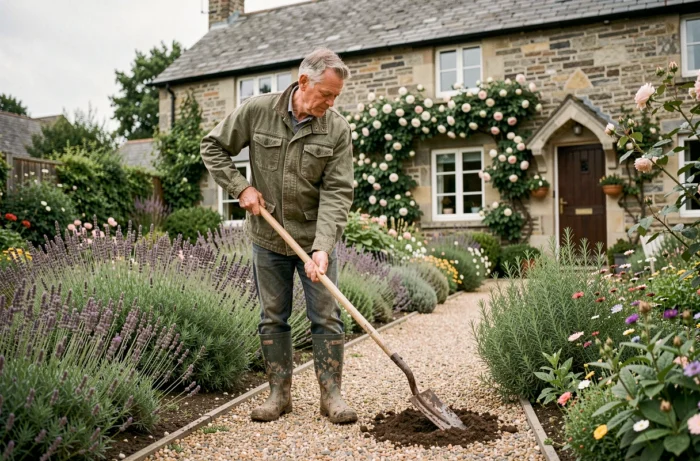
Prohibited plant species and organic waste: what regulations impose on the garden
Choosing plants is not limited to aesthetics or frost resistance. Some invasive exotic species are listed in regulations that prohibit their sale, planting, or transport. Before any purchase, checking the list of invasive exotic species in force remains the safest reflex. An attractive plant in a garden center can pose a legal issue once planted.
Another often-overlooked point: green waste (mowing, fallen leaves, hedge trimmings) cannot be burned in a garden, including in a domestic incinerator. This prohibition applies to all individuals. Since January 1, 2024, municipalities must provide residents with a solution for sorting organic waste at the source, whether through individual composting, dedicated collection, or access to a waste disposal site.
Planning for a composting or shredding storage space from the design stage turns a regulatory constraint into a resource. Compost nourishes the soil for free, and shredded branches serve as natural mulch.
Preparing the soil and planting according to the terrain
Amend rather than force
Poor soil cannot be corrected in one season with a bag of chemical fertilizer. The most sustainable approach is to add organic matter: homemade compost, composted manure, decomposed fallen leaves. These amendments gradually improve the soil structure, its ability to retain water, and its microbial life.
Why choose this over quick mineral fertilizer? Because a fertilizer nourishes the plant but not the soil. A living soil nourishes plants without constant intervention.
Adapt plants to the location
A vegetable garden requires at least several hours of direct sunlight per day and well-drained soil. Ornamental plants tolerate more varied conditions. Here are some suitable combinations based on common situations:
- Sunny area and dry soil: lavender, rosemary, common sage, ornamental grasses. These plants withstand periods without watering once well-rooted.
- Partially shaded area and cool soil: heucheras, astilbes, perennial geraniums. They appreciate a humus-rich soil enriched with compost.
- Wet or poorly drained area: marsh irises, purple loosestrife, ligularia. Rather than draining at great expense, taking advantage of natural moisture with suitable species is cheaper and works better.
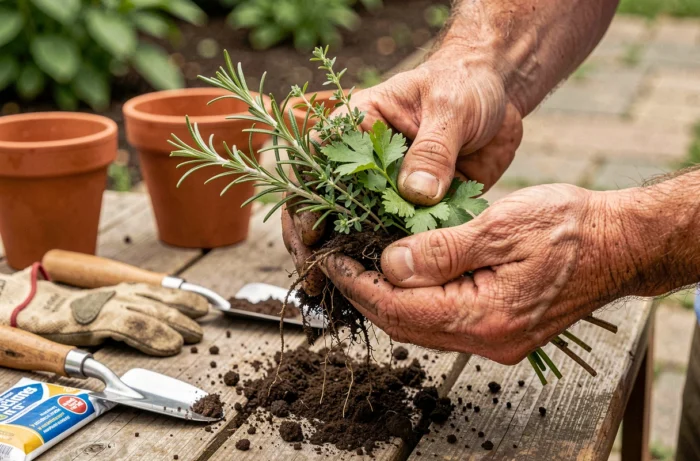
Garden maintenance through the seasons: the gestures that really matter
Regular maintenance does not mean spending every weekend mowing and pruning. It’s about making the right gestures at the right time.
Mulching reduces watering, limits weeds, and protects the soil. A layer of shredded material, straw, or fallen leaves placed at the base of plants retains moisture in summer and insulates the roots in winter. This single action replaces several chores.
Pruning spring-flowering shrubs should be done just after flowering, not in autumn (otherwise, you remove future flowers). Summer-flowering shrubs are pruned at the end of winter. Confusing these two schedules is the most common mistake.
Watering: less often, deeper
Light and daily watering encourages roots to stay near the surface, making plants vulnerable to the slightest drought. Generous watering every three to four days forces roots to go deeper to seek water.
For the vegetable garden, watering in the morning limits evaporation. For flower beds, water at the base and never on the foliage reduces fungal diseases.
Three seasonal gestures not to miss
- In spring: weed manually before weeds go to seed, and mulch the beds.
- In summer: monitor watering, regularly harvest from the vegetable garden to stimulate production.
- In autumn: collect diseased leaves (do not compost), plant spring bulbs, cover bare soil with compost or shredded material.
A well-designed garden from the start requires less and less work over the years. Perennial plants thicken, the soil enriches through mulching, and local biodiversity settles in. The first winter after creation seems ungrateful; the third spring changes the perspective.