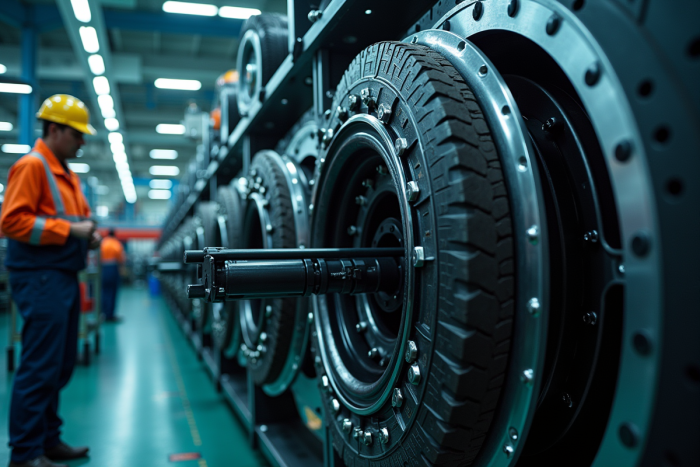
High-end tires contain manufacturing secrets that are closely guarded by their designers. Behind each model lies a complex process that combines technological innovation, cutting-edge materials, and artisanal know-how. These companies invest heavily in research and development to enhance the performance, durability, and safety of their products.
The development of these tires involves a rigorous selection of components, such as natural and synthetic rubber, along with various additives to strengthen resistance and grip. Every step, from design to production, is meticulously controlled to ensure high-quality standards that meet the demands of the most discerning drivers.
Key Steps in the Manufacturing of High-End Tires
The manufacturing of high-end tires is broken down into several major steps, each playing a crucial role in the final quality of the product. Here’s an overview of the major steps:
1. Selection of Raw Materials
The foundation of any tire lies in the choice of materials. Natural and synthetic rubber, carbon black, metal cables, and textile fibers are selected for their specific properties. The blend of these components must meet resistance and grip requirements.
2. Mixing and Preparation
The raw materials are then mixed to form a homogeneous rubber compound. This mixing is done under high pressure and temperature in specific mixers, ensuring optimal consistency. This phase is essential for ensuring an even distribution of materials.
3. Assembly
Assembly is a complex step where the different layers of the tire are stacked. Components such as the carcass, tread, and sidewalls are integrated according to a precise process. This phase requires extreme precision to ensure optimal performance.
4. Vulcanization
Vulcanization transforms the rubber into a durable and elastic material. Exposed to high temperatures, the chemical structure of the rubber changes, enhancing the tire’s strength and longevity.
5. Quality Control
Each tire undergoes a series of rigorous tests to verify its performance. The criteria include rolling resistance, grip, and durability. This control is essential to meet safety and quality standards.
To better understand this process, it is relevant to ask who manufactures Norauto tires. The answer to this question sheds light on the industrial practices and quality standards applied by different manufacturers.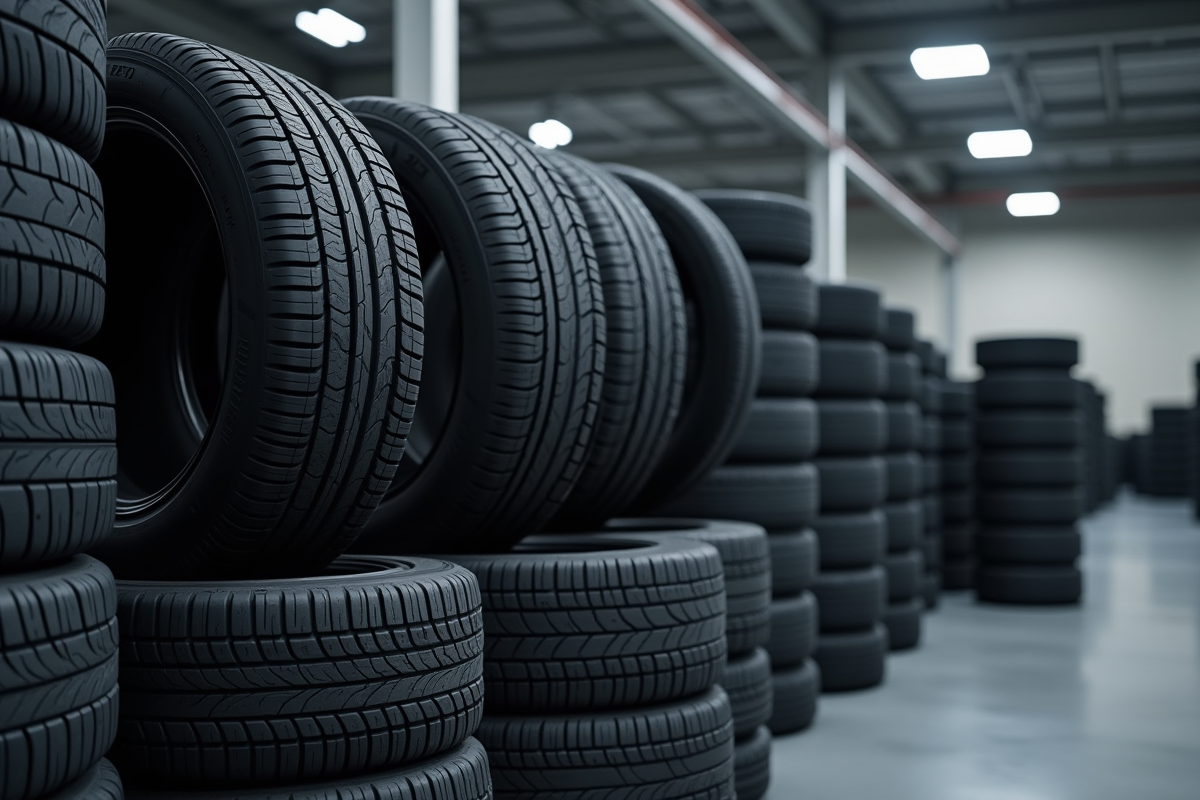
Innovations and Technologies Used by Major Brands
Major tire brands, such as Michelin, invest heavily in research and development to improve the performance of their products. Here are some key innovations:
Technologies for Reducing Rolling Resistance
To reduce fuel consumption and CO2 emissions, engineers are working on specific rubber compounds and optimized tread patterns. These innovations help decrease rolling resistance while maintaining excellent grip.
Wet Grip
Another fundamental focus is wet grip. Brands are developing rubber blends and groove patterns that enhance water evacuation. This reduces the risk of aquaplaning and increases user safety.
Durability and Longevity
Reinforcement layers at the top of the tire, along with the addition of materials like silica, help extend the lifespan of the tires. These innovations allow for high performance over a longer period, thereby reducing the frequency of tire replacements.
- Michelin Pilot Sport: Designed for sports cars, offering exceptional grip on both dry and wet roads.
- Michelin Energy Saver: Optimized for low rolling resistance, ideal for electric and hybrid vehicles.
Civil Engineering Equipment
For civil engineering equipment, Michelin develops specific technologies aimed at enhancing robustness and wear resistance. These tires are designed to withstand heavy loads and challenging terrain conditions.
During his visit to the Michelin factory, MotoGP rider Fabio Quartararo was able to see these innovations up close. Collaboration with high-level athletes allows for the integration of precise feedback, thereby improving products intended for the general public.