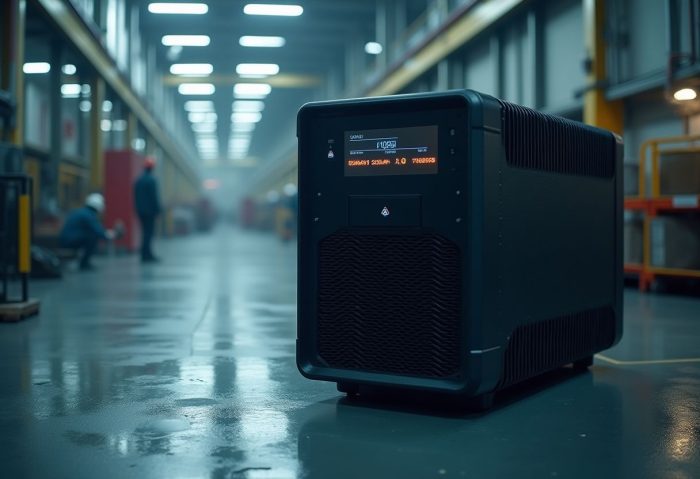
In the era of digital transformation, the issue of the sustainability of IT equipment becomes paramount. AI industrial PCs, designed to support significant workloads in demanding environments, particularly attract attention. Are these machines capable of maintaining their operational efficiency without regular maintenance when they are not connected to the cloud? This question addresses the balance between performance, sustainability, and autonomy. It raises crucial questions about the design of systems and their ability to meet modern industrial needs.
Determining Factors for Longevity
Evaluating how long an AI industrial PC can operate without maintenance requires analyzing the factors that influence its lifespan. These elements work together to determine the robustness and resilience of IT systems in industrial settings.
- Quality of hardware components: the sustainability of industrial PCs largely depends on the quality and reliability of their components. High-quality materials, optimized cooling system design, and the robustness of printed circuit boards play a crucial role in longevity.
- Environmental conditions: industrial PCs often need to operate in unfavorable environments. Extreme temperatures, humidity, vibrations, and dust are factors that can impair their functioning. A system well-protected against these elements will have a longer lifespan.
- Workload: intensive use can accelerate the wear of components. The frequency and type of calculations performed directly influence lifespan. A judicious balance between performance and resource preservation is essential.
Impact of Lack of Cloud Connection
Connection to the cloud plays a determining role in the management and optimization of industrial IT systems. Can the absence of this connection affect the lifespan of industrial PCs?
Firstly, connecting to the cloud provides regular software updates, ensuring that systems benefit from the latest improvements in security and performance. Without these updates, the risk of security vulnerabilities increases, potentially exposing the system to attacks. Furthermore, the cloud also allows for proactive performance monitoring, thereby anticipating possible failures. The absence of this monitoring can lead to accelerated wear, as issues are not detected in time.
Strategies to Extend Lifespan
It is possible to adopt several strategies to extend the lifespan of an AI industrial PC that is not connected to the cloud. These approaches, whether preventive or corrective, can significantly influence the longevity of the system.
- Adopt regular proactive maintenance, even without a cloud connection, to check the status of critical components and anticipate potential failures.
- Implement rigorous security protocols to prevent intrusions and back up critical data locally.
- Use optimization software to efficiently manage resources and reduce unnecessary wear on components.
- Train staff in equipment management to ensure optimal use and reduce unnecessary stress on systems.
Role of Emerging Technologies
Emerging technologies can also play a role in improving the longevity of AI industrial PCs. How can these innovations impact the autonomous operation of these machines?
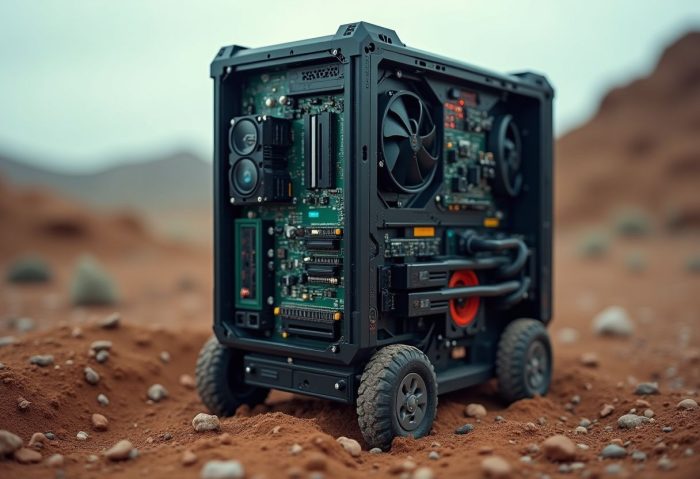
Integrated artificial intelligence allows systems to self-diagnose, identify potential problems before they worsen, and automatically adjust operating parameters to maximize efficiency. Meanwhile, advancements in sensor technology enable better monitoring of environmental conditions, ensuring optimal operation even in challenging situations. The integration of the Internet of Things (IoT) can provide an additional layer of internal connectivity, facilitating communication between different parts of the system and thereby improving overall resilience.
The ability of an AI industrial PC to operate without maintenance depends on many factors ranging from the quality of components to usage and environmental conditions. While cloud connectivity offers undeniable advantages, alternative strategies and the use of emerging technologies can significantly extend the lifespan of these systems. A thorough understanding of these elements not only improves profitability but also ensures reliable and continuous performance in demanding industrial environments. Companies must therefore weigh the pros and cons of each solution to optimize the efficiency of their operations.