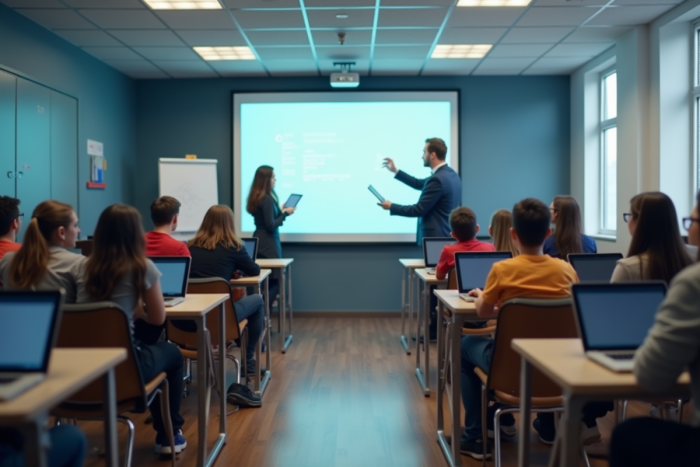
Colleges are embracing digitization, integrating tablets and educational platforms into classrooms. This transition promises to revolutionize learning, providing students with interactive tools and unlimited online resources.
This innovation requires daily adaptations. Teachers must familiarize themselves with new technologies and adjust their teaching methods. Equal access to equipment becomes a fundamental issue to avoid any digital divide among students. The digitization of colleges is therefore a constant challenge between technological progress and practical realities.
Digital Innovations in Colleges: A Lever for Teaching
The integration of digital technologies in colleges opens new perspectives for teaching. Digital tools such as tablets, educational platforms, and interactive software enrich teaching practices. These innovations allow for personalized learning, thus favoring better adaptation to the needs of each student.
My College Val-d’Oise perfectly illustrates this transition. This initiative provides students in Val-d’Oise with simplified access to a multitude of digital resources, facilitating their educational journey. Through an intuitive platform, students can consult their courses, complete online exercises, and interact with their teachers.
The Educational Digital Territories program benefits from funding of 172 million euros as part of PIA 4. This program aims to equip schools with digital materials and train teachers in the use of these tools. Initiatives like DemoES, which selected 17 school and university projects as digital demonstrators, illustrate the commitment of the National Education to this transformation.
This digital revolution presents challenges. Teachers must develop new skills to master and integrate these technologies into their pedagogy. Continuous training becomes essential to ensure optimal use of digital tools. Equal access to equipment remains a major concern to avoid any digital divide among students.
The digitization of education is not limited to technological equipment. It also includes the creation of high-quality digital educational content, adapted to school curricula. Partnerships with institutions like CNRS, Aix Marseille University, and INRIA illustrate this dynamic of research and pedagogical innovation.
The digitization of colleges represents a powerful lever for improving education, provided that the challenges of adaptation and equity are overcome.
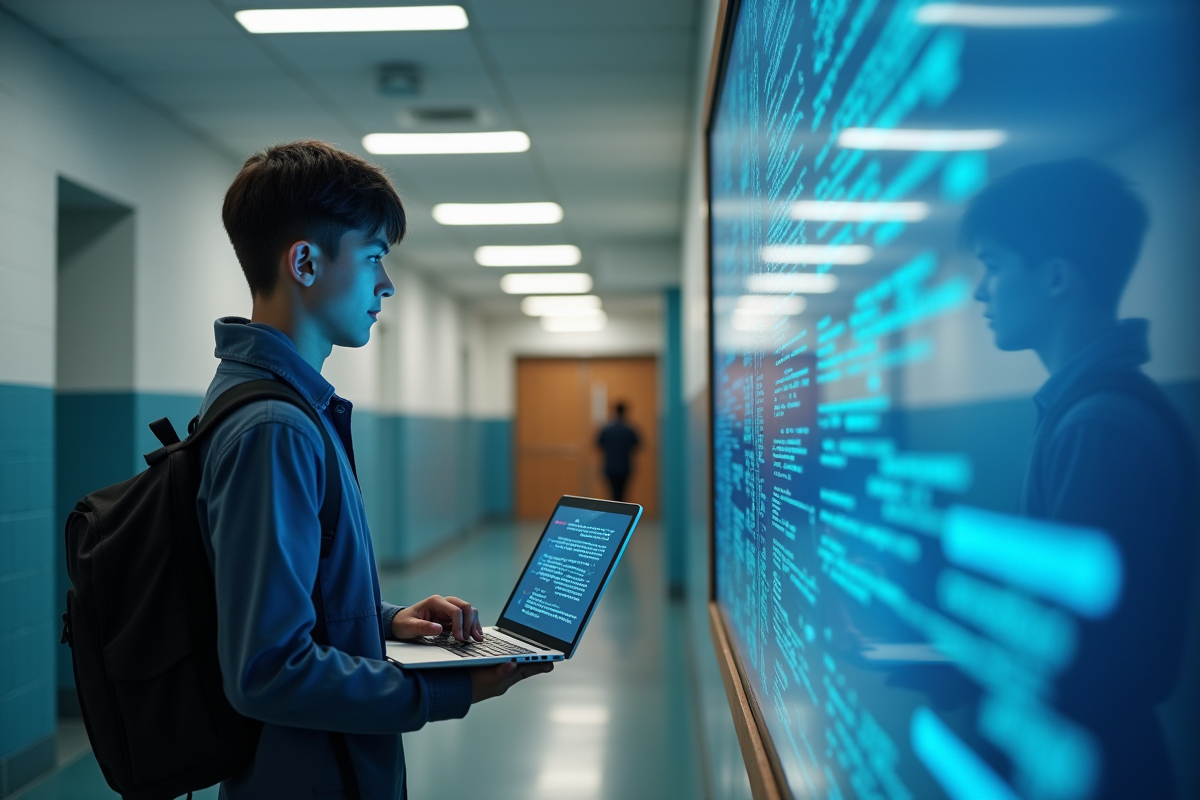
The Daily Adaptation Challenges for Teachers and Students
The implementation of digital technologies in colleges, while promising, exposes teachers and students to various challenges. The health crisis has accelerated this transition, highlighting disparities in digital skills and access to equipment. Teachers must not only master these new tools but also adapt their teaching practices to foster an inclusive and effective learning environment.
Continuous Training and New Skills
Teachers face the necessity of continuously developing new digital skills. Continuous training becomes imperative, supported by initiatives like the Educational Digital Territories. These funded programs aim to provide resources and tailored training, ensuring optimal use of digital tools in the classroom.
Equal Access and Digital Divide
The issue of equal access to technologies remains fundamental. Despite investments in digital equipment, some disparities persist. Students from disadvantaged backgrounds risk being left out of this transformation. Specific measures must be put in place to ensure that every student can fully benefit from the advantages of digitization.
Adapting Educational Content
Adapting educational content to digital formats constitutes another major challenge. Teachers must design interactive and accessible resources while adhering to school curricula. Partnerships with institutions like CNRS and Aix Marseille University play a key role in this dynamic, providing quality content tailored to current educational needs.