
Choosing a hobby that sparks curiosity isn’t about ticking a box on a list of trendy activities. It’s about finding something that makes you want to learn more, dig deeper into a subject, and pay a little closer attention to the world around you. The choice comes down to a few practical criteria that are often overlooked in favor of generic recommendations.
Hobbies and curiosity: how access constraints shape your choice
Have you ever wanted to take up an outdoor activity, then given up because you didn’t have enough time or a suitable place? That doesn’t mean you lack motivation. A 2024 study in the Grenoble area found that the availability and quality of natural spaces were among the most frequently cited obstacles. Lack of time and overcrowded sites rounded out the picture.
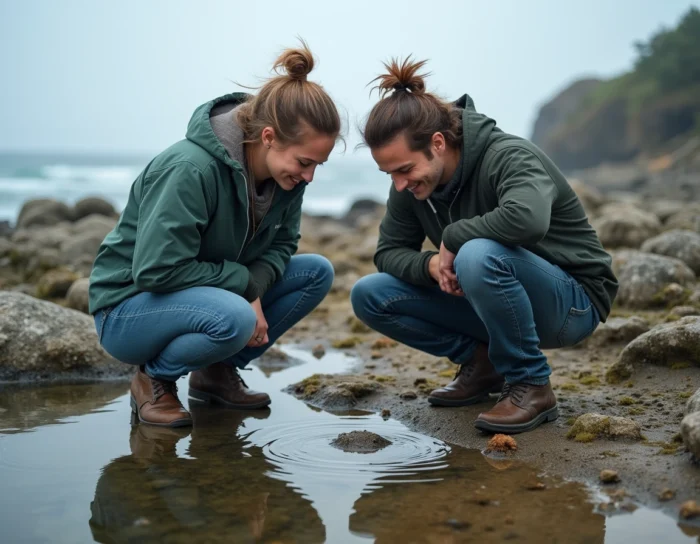
This finding changes how you approach choosing a hobby. Rather than dreaming of faraway hikes, observing nature close to home is still the most reliable place to start. An urban park, a river ten minutes away by bike, a community garden: these places are all you need to try amateur botany, wildlife photography, or observational drawing.
Browsing La femme s’entête’s hobbies, you’ll find this same focus on nearby activities applied to a range of interests, from creative DIY to themed reading.
Adapting the activity to your actual surroundings, rather than the other way around, helps avoid the frustration that kills the urge to explore. A hobby you can enjoy regularly sparks more curiosity than a spectacular one you only do twice a year.

Discovery activities: start with what you already have at home
Why do some hobbies last for years while others fizzle out after a few weeks? Often, the difference comes down to a connection with an existing interest, however vague.
Spot your everyday micro-interests
A micro-interest is something that makes you slow down in a bookstore, click on a documentary, or ask a craftsperson a question at a market. It’s not a passion yet, but it’s a signal.
Three types of micro-interest can help guide your choice of hobby:
- Topics that keep coming up in your reading or conversations, even when you’re not actively looking for them (local history, a country’s cuisine, mechanics)
- Things you enjoy doing: handling objects, drawing, sorting, taking photos, walking
- Places and settings that appeal to you: markets, workshops, forests, museums, kitchens
You don’t need to spend a long time reflecting on yourself to spot these interests. Just make a note for a week of what naturally catches your attention.
Turn a vague interest into a concrete activity
An interest in Japanese cuisine might lead you to a fermentation class, books about food in Japan, or a visit to specialty grocery stores. The most lasting hobby is one that builds on a curiosity you already have.
This approach works for children, too. Families who share cultural outings or hands-on activities create an environment that encourages curiosity in younger children.
Choosing between a digital hobby and an offline activity
Digital media isn’t the enemy of curiosity. An astronomy podcast, a YouTube channel about restoring antique furniture, or an amateur geology forum can all fuel a desire to explore just as much as a book or workshop.
Something you discover online can be a starting point for reading, meeting people, or exploring your local area.
The trap isn’t the screen itself, but passivity. Binge-watching a series and following a bookbinding tutorial don’t engage your attention in the same way. The useful distinction isn’t between digital and physical activities, but between passive consumption and active engagement.
To find out whether a digital hobby is sparking your curiosity, ask yourself one simple question: after a session, do you want to look for more information on the subject, or move on to a different distraction?
Try a hobby without pressure: a practical approach
Most hobbies that get abandoned are dropped within the first three weeks. Not because people lose interest, but because their initial expectations were unrealistic.
Keep your initial investment low
Buying expensive equipment before you’ve tried an activity three times is a gamble. Borrowing, renting, or making do with what you have reduces financial and psychological pressure. A smartphone camera is enough to get started in photography. A notebook and pencil are all you need for urban sketching.
Set a time-limited trial period
Rather than signing up for a year-long course, try an activity for four to six sessions to see whether your interest grows or fades. During this period, consider the following:
- Does the activity make you want to learn more between sessions?
- Do you naturally think of variations or ways to take it further?
- Do you feel a sense of satisfaction even when the result isn’t perfect?
If two of these three answers are yes after a month, the hobby has a good chance of sticking. Otherwise, moving on without feeling guilty is part of the process.
Explore different formats, not different disciplines
Rather than trying ten different activities, exploring the same subject from several angles can spark deeper curiosity. Reading about a topic, taking a practical workshop, going on a field trip, and talking with an experienced practitioner make for a richer journey than a series of unrelated introductory sessions.
A hobby that sparks curiosity opens doors; it doesn’t just fill a time slot. The best indicator is simple: after each session, you leave with more questions than you arrived with.