In 2023, antibiotic resistance has reached a critical threshold, rendering some common treatments ineffective against once benign infections. Meanwhile, telemedicine has emerged as a sustainable solution, transforming patient follow-up practices and access to medical expertise.
Updated prevention recommendations are shaking up established habits, particularly regarding diet, sleep, and vaccination. In response to these developments, health authorities are enhancing the dissemination of verified information to counter persistent misinformation on social media and in the public sphere.
What the latest health news reveals in France and around the world
The past few months have seen new dynamics emerge in the health field, both in France and internationally. Healthcare professionals, health authorities, and researchers are examining the implications of recent studies, which sometimes challenge well-established beliefs. A study reported by the Institut Pasteur and European teams reveals previously unsuspected links between genetics and vulnerability to certain infections, a decisive step that reshuffles the assessment of risk in patients.
Across Paris and the regions, the national strategy for neurodevelopmental disorders is being organized, involving doctors, families, and institutions. Meanwhile, the National Health Security Agency is sounding the alarm on the rise of chronic diseases, while the Minister of Health is prioritizing prevention and vaccination as major axes to combat cervical cancer and colorectal cancer. Several global days have brought prevention and screening to the forefront of discussions, supported by coordinated information campaigns.
Health security remains at the forefront, driven by reports from Anses on new health risks and the increasing alerts surrounding COVID and influenza. In this context where information sometimes collides and contradicts itself, health on France Médicale is committed to providing a precise analysis of trends, debates, and challenges in the sector, thus ensuring professionals and experts have a clear and updated view of public health issues.
What practical advice to adopt in the face of new prevention challenges?
The new health challenges and the rapid evolution of knowledge require us to rethink our reflexes regarding prevention. To address the persistence of chronic diseases, many experts advocate for a tailored approach to each individual situation. Professionals, whether doctors, pharmacists, or nurses, recommend staying alert to subtle signals: prolonged fatigue, unexpected weight loss or gain, sleep disturbances. Listening to one’s body, as well as to proven advice, is essential.
Nowadays, social media plays a role in shaping our behaviors: the speed of recommendation dissemination requires increased vigilance and the development of critical thinking. Before relying on a health buying guide, it is better to ensure the reliability of the source and prioritize recommendations validated by recognized scientific studies. Maintaining a balanced diet, engaging in regular physical activity, and taking care of one’s mental health are solid daily guidelines.
Here are some concrete avenues to explore to strengthen your prevention:
- Regularly consult professionals to tailor personalized prevention to your profile and specific needs.
- Do not overlook the collective dimension: associations, patient groups, or citizen initiatives, such as Prevent2Care Lab or Nutrition Lab, play a key role in disseminating quality information and supporting innovation.
- To address the progression of disorders such as autism spectrum disorder or Alzheimer’s disease, stay informed about medical advancements and engage with local support systems.
The role of the patient is changing profoundly: they are no longer a spectator but an actor in their health. They question practices, seek expert opinions, and rely on digital tools to better understand and take action. Prevention is now affirmed as a daily, shared commitment, nourished by access to reliable information and the active participation of everyone.

Medical innovations: what recent advancements could change your daily life?
Medical research is advancing rapidly, disrupting both practice and expectations. Artificial intelligence algorithms are now an integral part of medical imaging, refining the detection of cancer and cardiovascular diseases. At Université Paris Cité, teams are validating, through clinical studies, the increased accuracy of these tools: automated analysis of scans, anticipation of complications, assistance with prescriptions. These new learning algorithms complement the practitioner’s expertise, never replacing it.
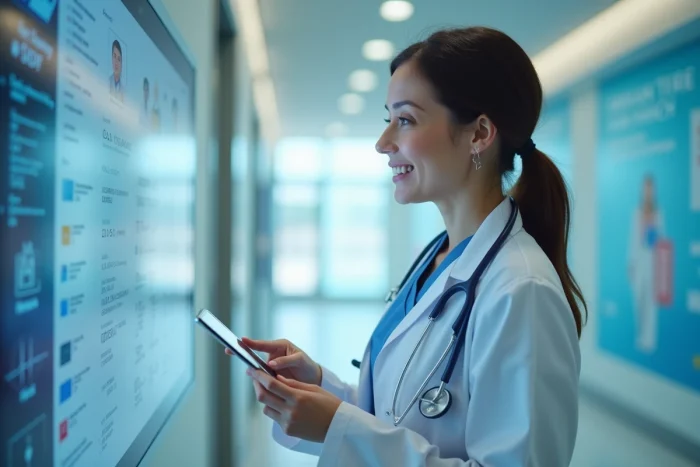
Telemedicine is emerging as a concrete response to the shortage of specialists, while facilitating follow-up after interventions or monitoring chronic diseases. Connected devices, watches, sensors: these tools now securely send vital parameters to medical platforms. The Digital Health Agency reminds us of the guidelines: respect for confidentiality, interoperability, GDPR compliance.
Major advancements are also emerging in the field of biotherapy and gene therapy. In Lille, Moving Biotech is developing new molecules targeting chronic inflammation, with encouraging results. In Toulouse, the fight against colorectal cancer is progressing, driven by the integration of big data into treatment analysis.
Medical robotics is gradually establishing itself in the operating room: robots assist surgeons in delicate procedures, reduce the risk of complications, and speed up post-operative recovery. For MACSF, this technical progress changes the relationship with surgery while keeping health security as a constant concern. A new chapter in medicine is being written, at the intersection of technology and humanity, where each advancement redefines the contours of care.